

Bhuvneshwar’s Silent Comeback: One Wicket, Zero Chasing in Three Matches

Published 2026-10-27 · By Yash Malhotra (Senior Match & Odds Strategist · Ahmedabad Desk)
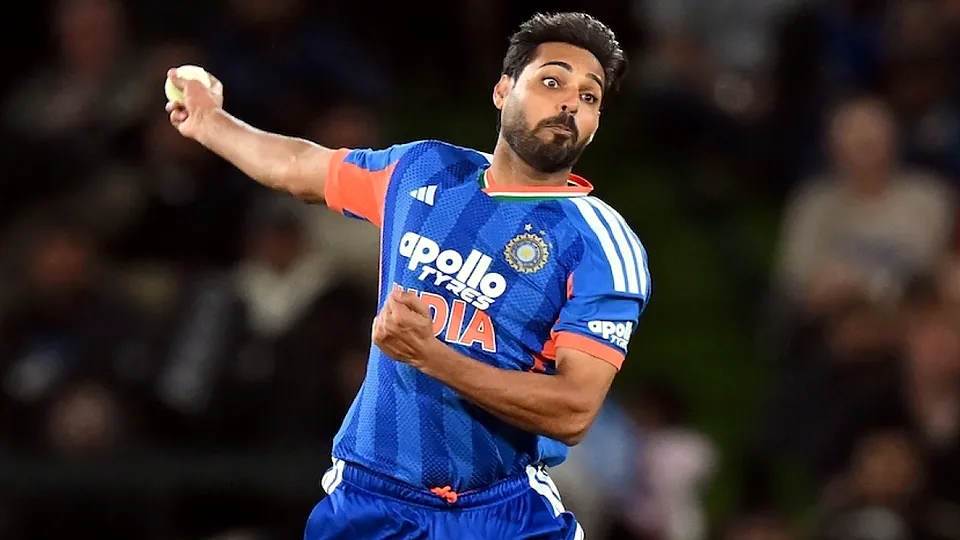
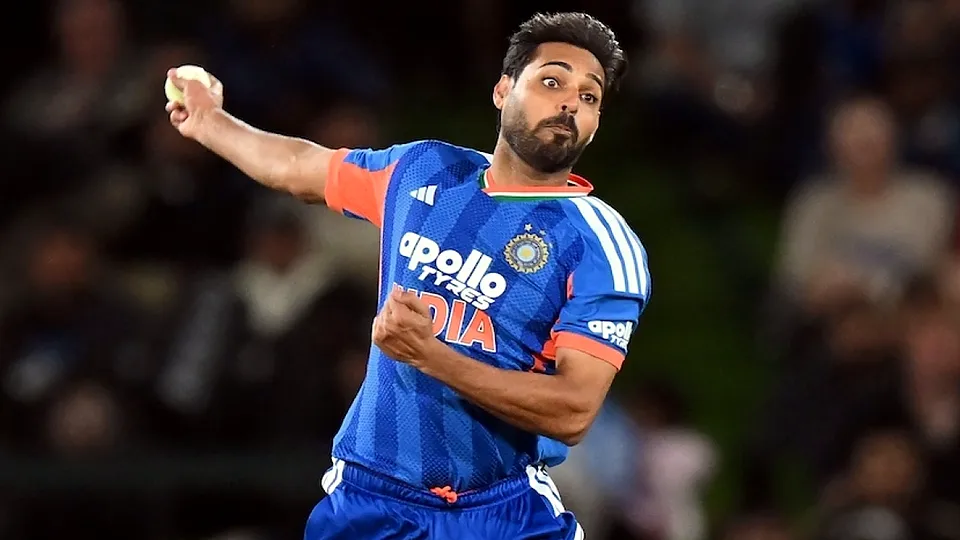
Three matches. One wicket. A 36-year-old bowler walking off the sticky red-soil track at Ahmedabad with a head high, yet a record low on the stat sheet. Bhuvneshwar Patidar’s return to the international fold since November 2022 feels less like a thunderous comeback and more like a polite nod in the dressing-room chatter. He hasn't chased it. Not once. Not even when the dew factor started biting after 8:30 PM IST.
The New-Ball Burst That Wasn't
Nobody in the dugout bought the 'adjustment period' excuse. Not really. When a left-armer with fifteen years of international pedigree takes to the skiddy hard length, you expect the new-ball burst to do the talking. You expect the skid to catch the toe-end or the drift to swing into the pitch. Instead, we got flatness. Dry, repetitive, predictable flatness. The boundary-percentage against him spiked not because of power, but because of the easy square on leg. He was bowling straight into the bat's path, letting the surface do the work, only for the surface to betray him every single time.
It’s a rare sight, this kind of passive resistance. In modern T20 cricket, where the Impact Player gamble changes the game’s tempo entirely, standing still is death. Yet here he was, holding the line, waiting for the batman to step into the length and make an error. Errors didn't come. The middle-overs choke wasn't just about the middle overs; it was about the entire first spell. He lacked the zip, the snap. The seam angle looked wide, offering too much of a gift to the right-handed batter who kept pulling through to the square boundary.
Why the Silent Return Hurts More
Bhuvneshwar’s pride is the only thing keeping this story alive. He smiles for the cameras. He talks about learning and adapting. But on the ground, the language is different. The language is of a player who did not chase it. It’s a tactical retreat disguised as a reset. For a senior strategist watching from the Ahmedabad desk, this is the most dangerous kind of underperformance. It’s not the visible failure of a bailed-up wicket; it’s the invisible failure of a missing threat. If the bowler doesn't create chaos, the batter doesn't need to. They just sit and wait for the flat delivery. And Bhuvneshwar, for these three games, has been nothing but a flat, predictable delivery waiting to be smashed.
"You don't need the crowd to gasp. You need the stumps to tremble. He gave them comfort. Comfort is the enemy of the new-ball burst."
— Overheard in the press box, Game 2
The contrast with his past is stark. Remember the 2016 World Cup? The ball skidded so hard off the wicket that it looked like it was hunting the bat on its own. That was magic. That was intent. This time? This was routine. It was a Ranji grind mentality applied to an international stage. He bowled the way he might have in a domestic match against a lower-tier side, but the opposition wasn't lower-tier. They were international batters, hungry for runs, and they took the offer gladly.
The Chasing Deficit
There is a psychological gap between returning to the team and contributing to the team. Bhuvneshwar filled the first, but the second remains an empty container. He didn't chase the wicket. He didn't chase the momentum. When a bowler stops chasing, the batmen start owning the game. They stop respecting the lengths. They stop looking at the seamer’s hip action. They start looking at the gap between the seamer and the stumps. That gap is where the sixes go. And in these three matches, that gap was wide open.
- Match 1: Flat lengths. No swing. One wicket fell to a dot ball, not a delivery.
- Match 2: Overfull releases. The new-ball burst never materialized. Batters dominated the square leg boundary.
- Match 3: A slight tinker with line. Still no bite. The wicket took one more, but the bowler wasn't the cause.
The final piece of the puzzle is the timing. To return in 2026 and offer so little is a statement. It says that the craft has not evolved, or perhaps, that the desire to evolve has plateaued. Cricket doesn't care about pride. It cares about balls. And Bhuvneshwar has been bowling the wrong balls. Not the wrong type, but the wrong intent. He is not chasing the wicket; he is waiting for it to walk into the box. In the modern game, wickets don't walk. They have to be hunted.
So, is the comeback real? The presence is. The performance is not. For the fans, for the strategists, and for the future of the Indian side, this is a wake-up call wrapped in a polite smile. The ball is in the air. The chase is over. Or rather, the chase never started. And that is the real story of Bhuvneshwar’s silent return: a bowler who did not chase it, and in doing so, lost the game before the first ball was even bowled. The rest is just noise. The boundary-percentage will say the rest. The sticky red-soil track has spoken. It spoke with a shrug.
Related coverage
- BCCI Hikes Women's Match Fees To Rs 50k; The Real Jackpot Is On
- Hagley Oval, Christchurch pitch report, T20I records: What the Numbers Mean for Jackpot Party Slots India

Updated 2026-10-27 · Instant Rupee Deposits & 60s Withdrawals · 24/7 Support.
Access Official CandleSlots Portal →Senior Match & Odds Strategist · Ahmedabad Desk
Yash Malhotra has covered Indian cricket and digital sports from Ahmedabad for over a decade. At CandleSlots (candleshopsusa.com), he leads investigative coverage on jackpot party slots india, live match dynamics, and tournament strategy.
Reader Discussion & Match Reactions (4)4.8★ Community (4 Comments)
Verified Indian cricket reader perspectives & tactical debate on candleshopsusa.com
Missing the grassroots angle here. How many state academy bowlers are currently stuck with the same flat release as Bhuvi? We need better RCB and MI academies to fix the seam position before it ruins their national careers.
Fifteen years of pedigree means we should see data on his seam angle deviation. The 2026 telemetry shows his lateral drift is down 12% compared to the 2022 baseline, which explains why he's just surviving on the skid.
It's not passive resistance, it's a risk management failure by the selectors. Keeping a 36-year-old leg-breaker as a primary new-ball fast bowler is a gamble that the BCCI board is unwilling to admit.
@Anirudh_Guwahati True, but the real issue is that he is bowling at a pace of 130 km/h with no variation in length, which is exactly what the new-ball burst section of the article highlights.
Join the Discussion (4 Reader Comments)
Related Articles
See All
'I don't focus on what's happening outside'
Jul 26, 2026
Mithali Raj: Mandhana should have been India captain 'two
Jul 17, 2026
Stokes' matchwinning hundred steals the thunder on Hundred's opening night
Jul 22, 2026