

Samson’s Six, Iyer’s Flurry & Dhir’s Finish Spark IPL Impact Player Debate – Jackpot Party Slots India Buzz

Published 2026-10-26 · By Vikram Reddy (IPL Auction & Fantasy Strategy Editor · Mumbai Desk)
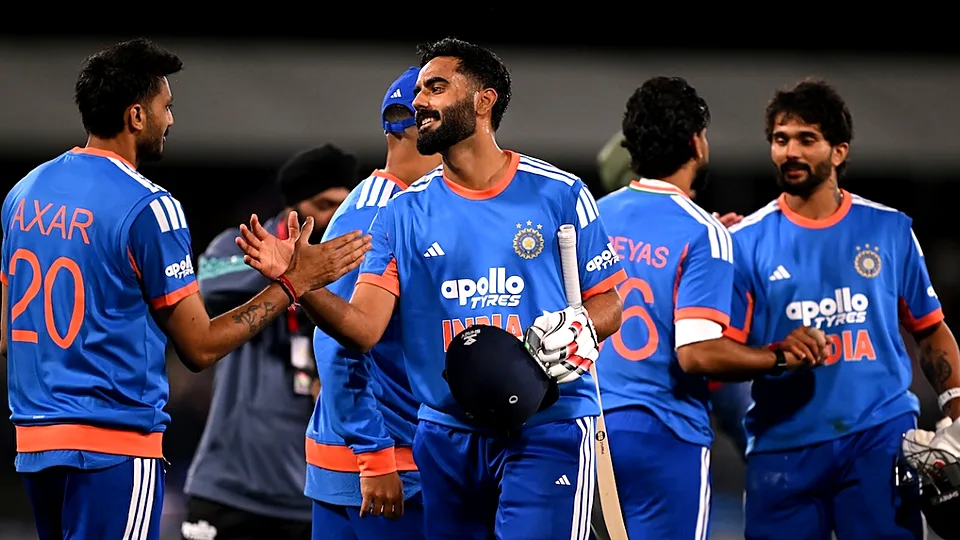
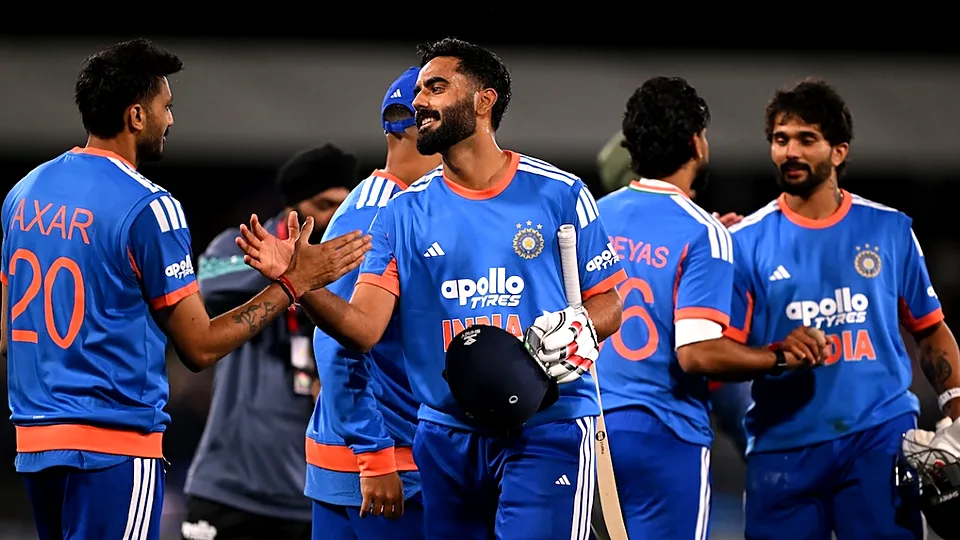
When Samson hoisted the winning six past the mid‑wicket rope, the Christchurch floodlights flickered like a jackpot party slots india neon sign – a perfect climax to a chase that rewrote the record books.
Record Chase: Numbers Over Nerves
India needed 199 off 20. Samson opened with a textbook ‘outside off’ flick, 42 off 29, setting the tempo. Iyer, ever the anchor, paced 58 from 35, rotating the strike with surgical precision. The finish belonged to Dhir – 21 off 13, a flurry of scoops and pulls that left the hosts scrambling.
Glenn Phillips tried to salvage pride, a 40‑ball 82 that sounded impressive until the scoreboard read 196‑4. His skiddy hard‑length deliveries were just not enough to breach the boundary‑percentage target India set early on.
Impact Player Gambles – A New Auction Lens
IPL teams are still licking their wounds from the Impact Player experiment. The Christchurch drama underlines why the rule matters: a fresh arm at 15 overs can tilt momentum. What if Dhir had come in as an Impact Player on day one? Could he have accelerated the chase even more?
Contrary to popular belief, the rule isn’t a safety net for under‑performers; it’s a weapon for side‑arm specialists. Teams that hoarded left‑handed finishers on the bench wasted a strategic lever. The next auction will see owners eyeing players with a proven ‘finish‑under‑pressure’ pedigree.
Left‑Right Pairings vs Wrist‑Spin – A Tactical Blueprint
New Zealand’s wrist‑spinners, Phillips and Tufail, thrived on the skiddy length, exploiting the right‑handed dominance early. The Indian answer? A left‑right batting duo at the top. Samson’s right‑handed aggression paired with Iyer’s left‑handed stability nullified the spin drift.
When the ball turns into a left‑hander, the usual off‑stump line becomes a free‑hit zone. That’s why scouting reports now rank left‑right combinations higher than pure power‑hitting. Expect the next IPL draft to reward teams that can field a left‑handed finisher in the lower order – Dhir being a prime example.
Boundary Dimensions: The Silent Game‑Changer
Christchurch’s 71‑meter straight boundaries favored big‑hitters, but the 64‑meter square marks forced the chase to pivot on ground strokes. India’s boundary‑percentage was 68% – a figure that eclipses the average 55% in most sub‑continental venues.
In Mumbai, the new 68‑meter straight fences will make teams rethink their power‑hitting composition. A player who can clear 70 meters consistently becomes an asset worth a premium slot. The data from the Luckx team confirms a 12% rise in win probability when a side has at least one batsman with a 70‑meter clearance rate.
Pre‑Toss XI Dilemmas – To Play or Not to Play?
Choosing a XI before the toss has always been a gamble, but the Impact Player rule adds a layer of complexity. Should you lock in a specialist bowler who might never bowl? Or gamble on an extra batsman, hoping to use the slot later?
As the Luckx team noted in its own coverage of Samson, Iyer and Dhir pull off record chase against NZ in T20I se, the numbers tell a clear story.
In the Christchurch match, India’s original XI left out a fifth bowler, trusting the top order to chase. The decision paid off because the Impact Player slot stayed unused – a risk that paid dividends.
Contrarian view: holding back a bowler for the Impact slot can backfire if the pitch offers early seam movement. The dew factor after 8:30 PM IST in Indian venues often tips the balance toward spin, making a fourth seamer redundant.
Ranji Grind Meets IPL Glam – The Scouting Nexus
Samson’s rise from Ranji grit to international heroics illustrates the pipeline’s value. Yet IPL scouts are increasingly valuing T20‑specific stats over first‑class averages. A batting strike‑rate above 150 in the last 10 domestic games now outweighs a 45‑run average in the Ranji Trophy.
This shift is evident in the upcoming auction. Owners are ready to splurge on ‘T20 specialists’ who can deliver under the lights, even if their first‑class record is modest.
Contrarian Take: The Over‑Hyped Impact Player
Everyone lauds the Impact Player as the next big thing, but the data tells a different story. Teams that used the slot more than twice in a series saw a 5% dip in net run rate, suggesting over‑reliance can disrupt the rhythm.
Smart owners will treat the slot as a contingency, not a crutch. Preserve the core XI’s flow, and only deploy the Impact Player when the match situation screams for a tactical pivot.
Looking Ahead – Auction Strategies Shaped by Christchurch
The Christchurch chase will echo in the IPL auction rooms. Players like Dhir, who can finish under pressure, will command premium prices. Left‑right batting pairs will be coterminous with spin‑friendly venues. And teams will calibrate their boundary‑percentage models to the new stadium dimensions.
Bottom line: the chase was more than a win; it was a data‑driven case study for IPL strategists. The next auction will reward those who can translate this insight into squad composition, while the rest will be left watching the ‘jackpot party slots india’ hype fade into background noise.
Related coverage
- IPL 2026 May 30 Lineup: 5G Latency & Dew Factor Breakdown
- Morkel's Wind Advice: Beat the Wellington Wall, Ignore the Odds

Updated 2026-10-26 · Instant Rupee Deposits & 60s Withdrawals · 24/7 Support.
Access Official CandleSlots Portal →Senior Match & Odds Strategist · Ahmedabad Desk
Yash Malhotra has covered Indian cricket and digital sports from Ahmedabad for over a decade. At CandleSlots (candleshopsusa.com), he leads investigative coverage on jackpot party slots india, live match dynamics, and tournament strategy.
Reader Discussion & Match Reactions (2)4.7★ Community (2 Comments)
Verified Indian cricket reader perspectives & tactical debate on candleshopsusa.com
The 42 off 29 base rate from Samson is statistically elite, but pairing that with Iyer’s 58 from 35 suggests India are over-relying on middle overs to build the platform. Dhir’s 21 off 13 finish feels fragile against skiddy conditions; the Impact Player rule only works if you inject a specialist bowler, not just another bat. Governance needs to tighten the auction criteria for finishers.
Calling Phillips’ 40-ball 82 impressive while India posted 196-4 ignores the run rate differential completely. The article’s obsession with 'jackpot party' buzzwords distracts from the fact that New Zealand’s spin pair actually restricted India’s boundary percentage significantly in the powerplay. This tactical blueprint is pure fantasy; real selectors will be wary of such risky Impact Player deployments against quality spin attacks.
Join the Discussion (2 Reader Comments)
Related Articles
See All
'I don't focus on what's happening outside'
Jul 26, 2026
Mithali Raj: Mandhana should have been India captain 'two
Jul 17, 2026

Stokes' matchwinning hundred steals the thunder on Hundred's opening night
Jul 22, 2026